German Chancellor Friedrich Merz and Brazilian President Luiz Inácio Lula da Silva met on the sidelines of G20 talks in South Africa on Saturday, after the German leader sparked outrage with comments on the Brazilian city hosting the COP30 climate talks.
Sources close to the chancellor described Saturday's meeting, which focused on the UN Climate Change Conference in Brazil, tropical rainforest protection and the war in Ukraine, as "very harmonious," though it was unclear whether Merz’s controversial comments were discussed.
Merz had travelled to the Amazon city of Belém for a summit two weeks ago ahead of the annual climate conference. On his return to Berlin, the chancellor said he had asked journalists who accompanied him whether any of them wanted to stay.
"No one raised their hand," Merz said. He argued that the reporters were "happy" to return to Germany, which he described as "one of the most beautiful countries in the world."
The statement triggered anger in Brazil, including from President Lula.
At the time, Lula said Merz should have gone to a bar in Belém, danced and tried out the local cuisine.
LATEST POSTS
- 1
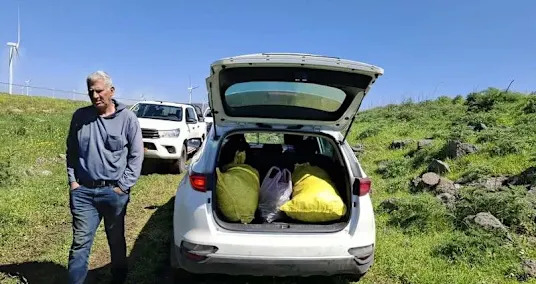
 Hundreds of kilos of protected plant seized by Israel Nature and Parks Authority in Golan
 - 2Exhaustive Experiences into Prudent Senior Living in the UK
- 3Putting pig organs in people is OK in the US, but growing human organs in pigs is not – why is that?
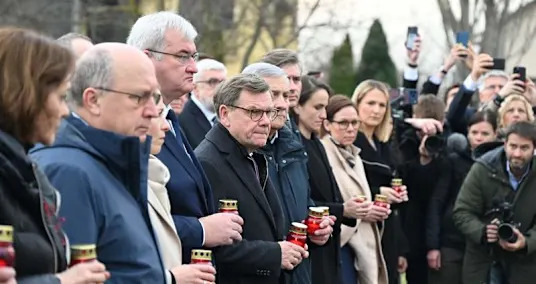
- 4EU foreign ministers commemorate Russian massacre in Bucha
- 56 Exemplary Mexican Dishes



- Pedal Power: Divulging Well known Bike Brands for Each Cyclist
- Japan deploys the military to counter a surge in bear attacks
- NASA releases stunning new images captured by the Artemis II moon mission, including 'Earthset' and a solar eclipse from space
- At least 36 dead in major fire in Hong Kong residential blocks
- Christmas 2025 skywatching guide: What you can see in the night sky on Dec. 25
- What to watch for as NASA’s historic Artemis II crew prepares to lift off toward the moon
- FACT FOCUS: Trump sows confusion on number of childhood vaccinations
- 6 Web-based Lawful Administrations: Extensive Surveys and Elements
- Overlooked infertility care should be part of national health services, says WHO