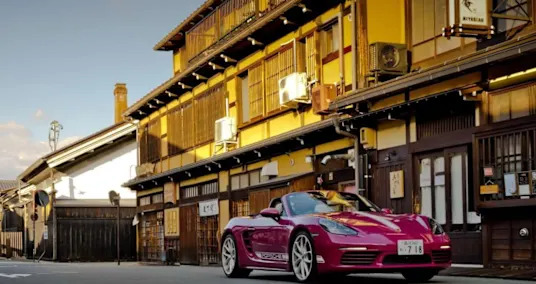

A possible cancellation of an electric Boxster could mark a major shift in Porsche’s EV strategy. According to Bloomberg, Porsche is weighing whether to cancel the planned electric versions of the 718 Boxster and 718 Cayman as it tries to rein in costs, and the decision has not been finalized.
The primary driver behind this rethink appears to be cost. Developing electric versions of the 718 models has proven far more expensive and technically demanding than anticipated. Combining low weight, sharp handling, strong performance, and usable driving range in a compact electric sports car has turned out to be a difficult equation.
Porsche has also faced development delays and rising expenses on the project. These challenges have pushed timelines back and increased budget pressure.
Market Reality Is Hitting Harder Than Expected

External conditions have also worsened. Demand in China, long one of Porsche’s most important growth markets, has softened. At the same time, global EV adoption is growing more slowly than forecasts from just a few years ago suggested.
Porsche has not been immune. While the Porsche Taycan proved that an electric Porsche can work from a brand perspective, its deliveries fell in 2025, with Porsche reporting 16,339 Taycan deliveries worldwide, down 22% year over year. The electric Porsche Macan remains strategically important, and Porsche reported that over half of Macan deliveries in 2025 were fully electric.
A New Focus Under New Leadership
In this context, CEO Michael Leiters appears to be drawing clear lines. Rather than pursuing broad and costly electrification across the entire lineup, Porsche is shifting its focus toward profitability and margin stability.
Projects that do not promise near-term returns or that carry high execution risk are increasingly under scrutiny. The electric Boxster fits that description perfectly. It is emotionally important and technologically exciting, but difficult to justify economically under current conditions.
Part Of A Broader Industry Recalibration
Porsche is far from alone. Across the industry, automakers are revising electrification plans, delaying models, or canceling them outright. This is not because EVs have failed, but because the transition is proving more expensive and slower than initially assumed.
In the premium and sports car segments especially, the challenge of balancing driving dynamics, range, weight, and cost has become increasingly clear. That reality forces even brands like Porsche to ask whether maintaining legacy powertrains for longer might offer more stability in the short to medium term.
LATEST POSTS
- 1
 Far-right leader Le Pen to attend Brigitte Bardot's funeral
 - 2Home Security Frameworks with Shrewd Elements
- 3Computerized Moderation: Tracking down Equilibrium in the Advanced Age
- 4Tatiana Schlossberg's diagnosis puts spotlight on leukemia: What to know
- 5Figure out How to Reveal Stowed away Open Record Rewards


- The Best Internet based Courses for Expertise Improvement
- Employers and staff feel effect of fuel price rise
- Every year, she thanks the trooper for the arrest that led to her sobriety
- These men carry towers of birds through Mexico's streets. They say their tradition is dying out.
- Churches and politicians in South Sudan call for 'lasting peace' in Easter messages
- The Forgotten BMW Coupe That Turned a 5 Series Into Something Far More Exotic
- Passenger Missing After Going Overboard Disney Cruise Ship
- 'It's doing badly': Fears grow for whale stuck off Germany's coast
- Make Your Fantasy Closet: 10 Immortal Design Fundamentals